
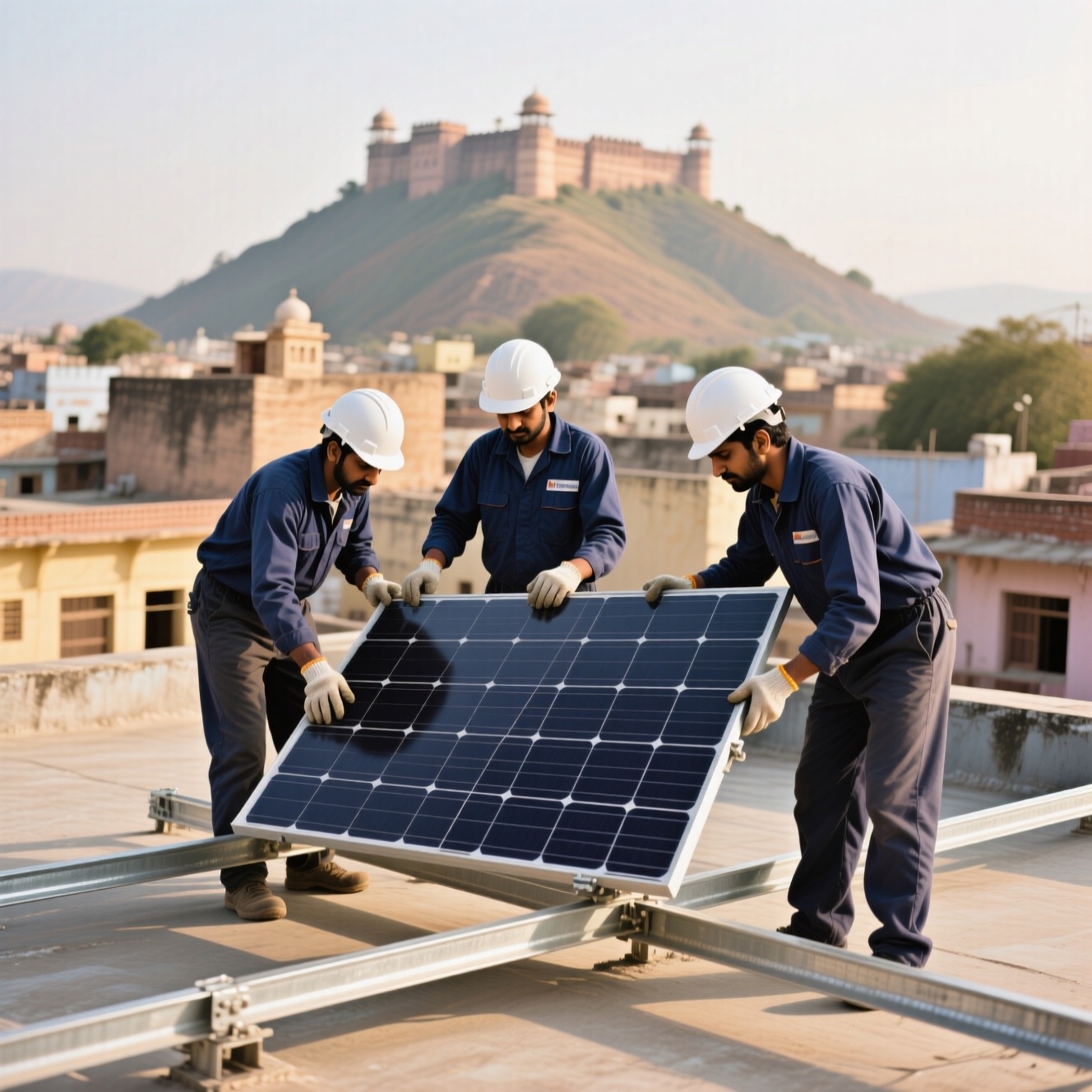
Rooftop Solar for Pink City Homes
One local team for the survey, JVVNL paperwork, installation and your subsidy.
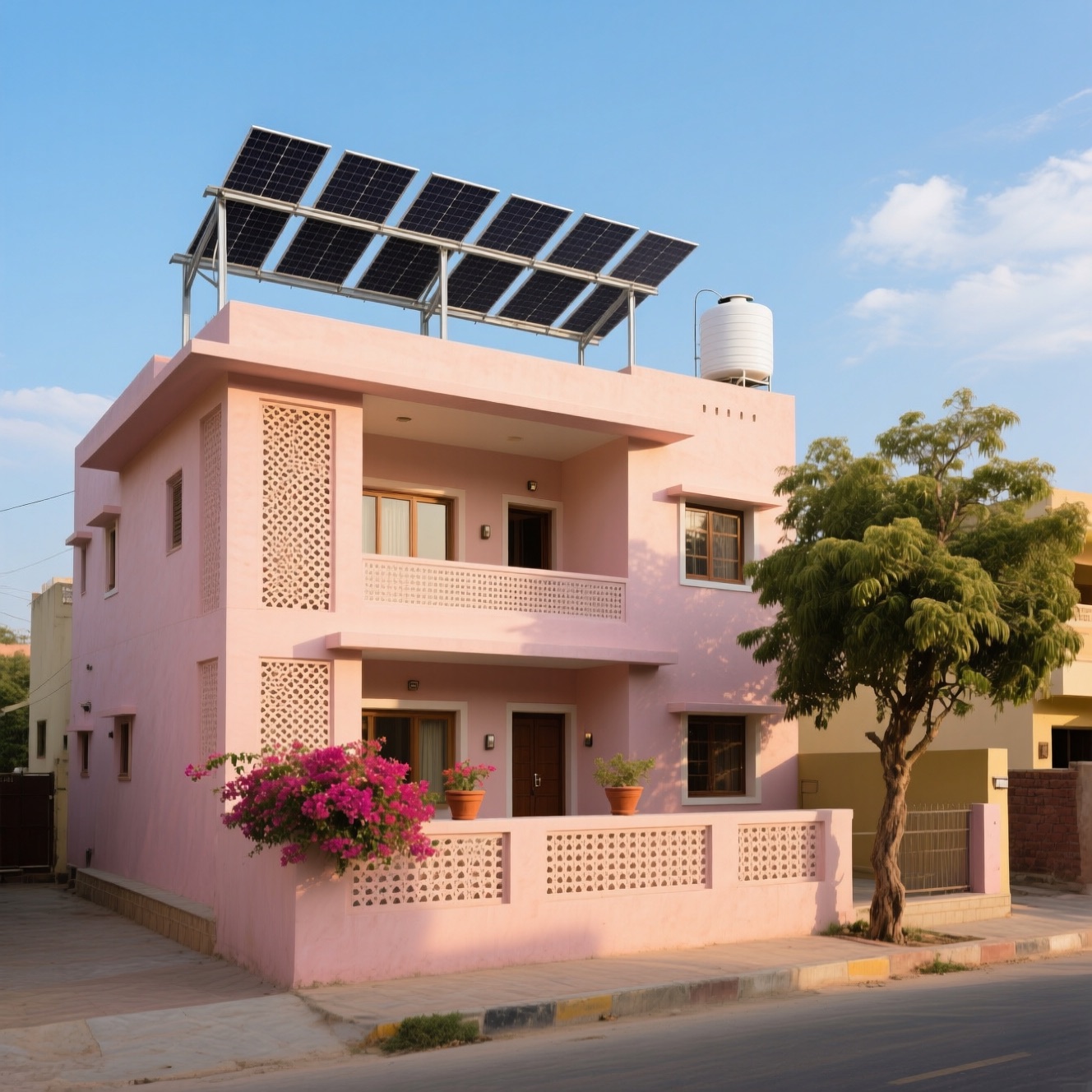
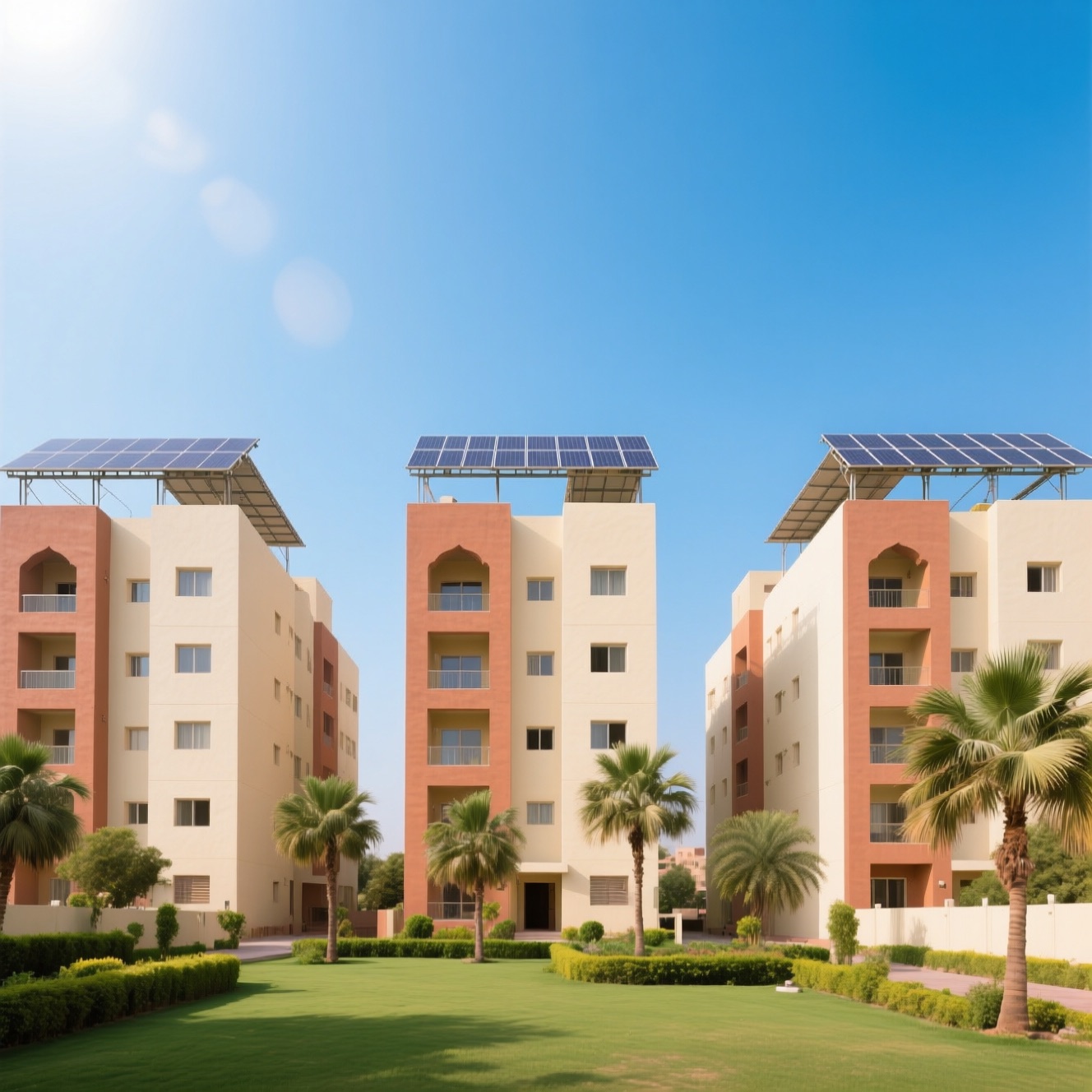
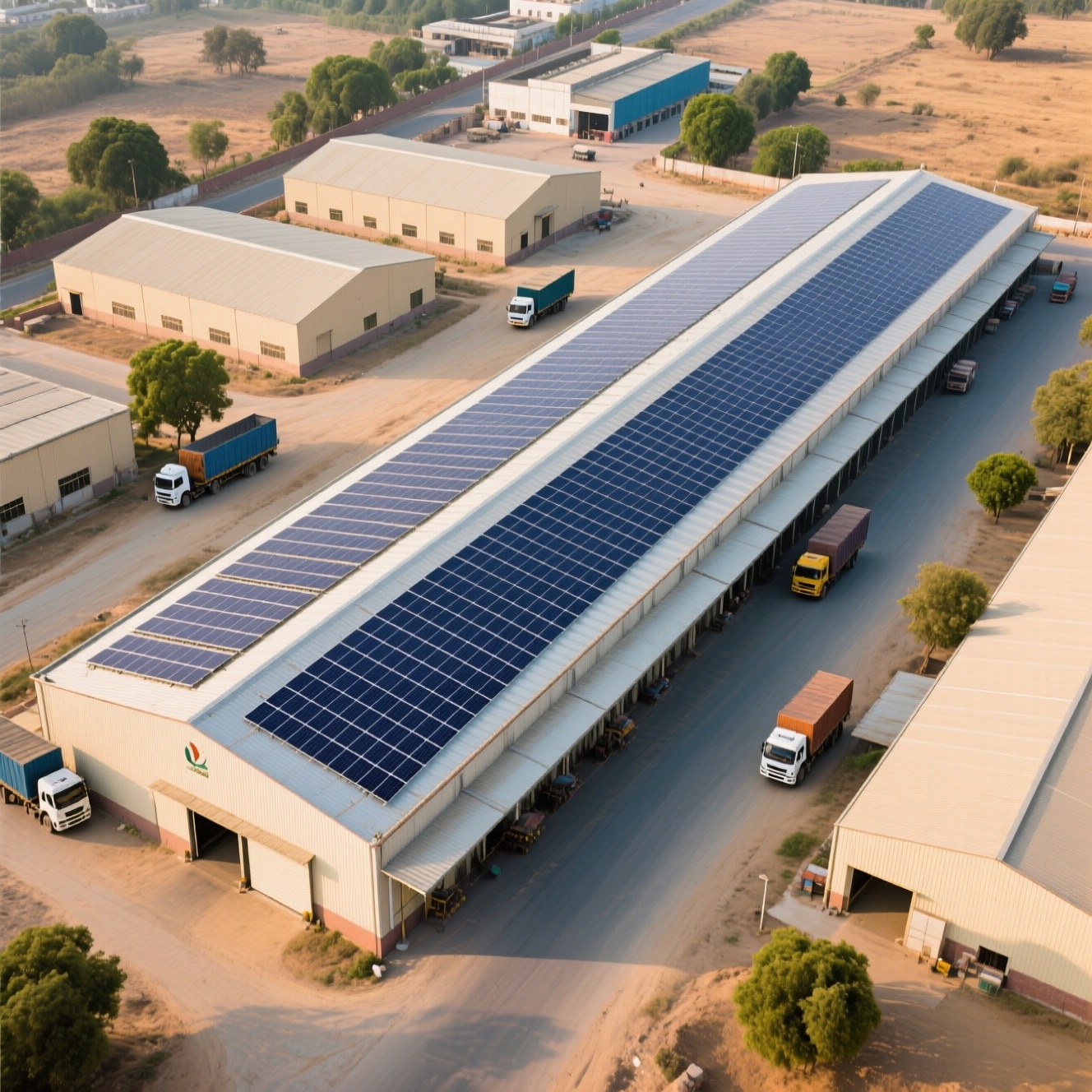
A Jaipur team that designs, installs and looks after rooftop solar ourselves, for homes, societies and factories. Our own crew fits Made-in-India panels on raised, wind-rated structures, and we chase every JVVNL and PM Surya Ghar form until the subsidy reaches your bank.
PM Surya Ghar portal, JVVNL approval and net meter, all handled.
DCR panels and BIS-certified inverters, as the subsidy requires.
Raised, wind-rated structures. No subcontractors on your roof.
The EMI is often less than the bill it replaces.
Jaipur roofs get around 300 sunny days a year. We size, install and maintain the system that turns them into a smaller bill, from one 2 kW home to a 1 MW factory.
Up to ₹95k subsidyOn-grid, or hybrid with a battery. 1–10 kW, sized to your bill.
RWA subsidyCommon-area solar for lifts, pumps and lights. Lower maintenance for every flat.
3–4 yr paybackUp to 1 MW net metering for factories, schools and hotels.
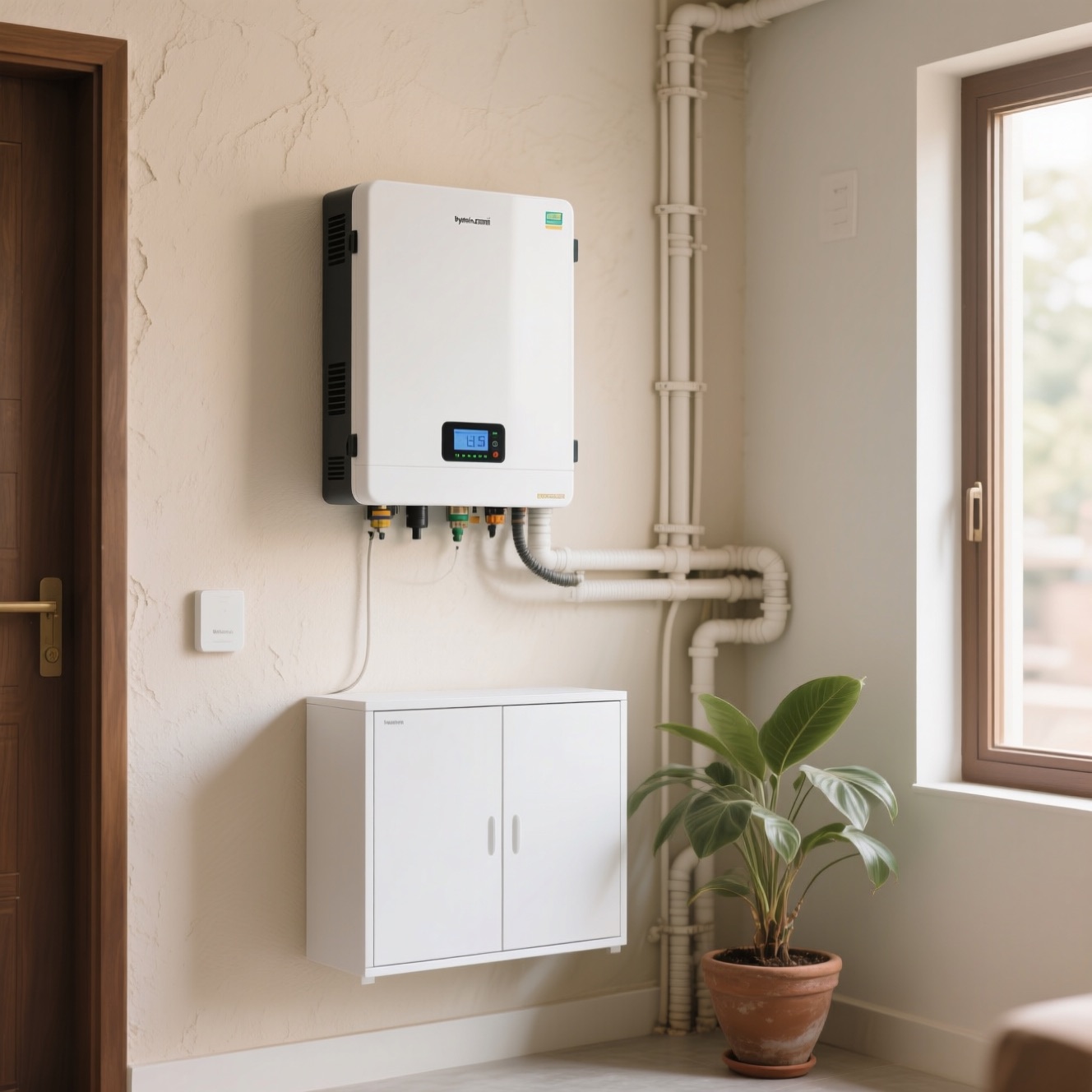 Allowed by JVVNL
Hybrid inverter and lithium battery keep fans, lights and Wi-Fi on through cuts.
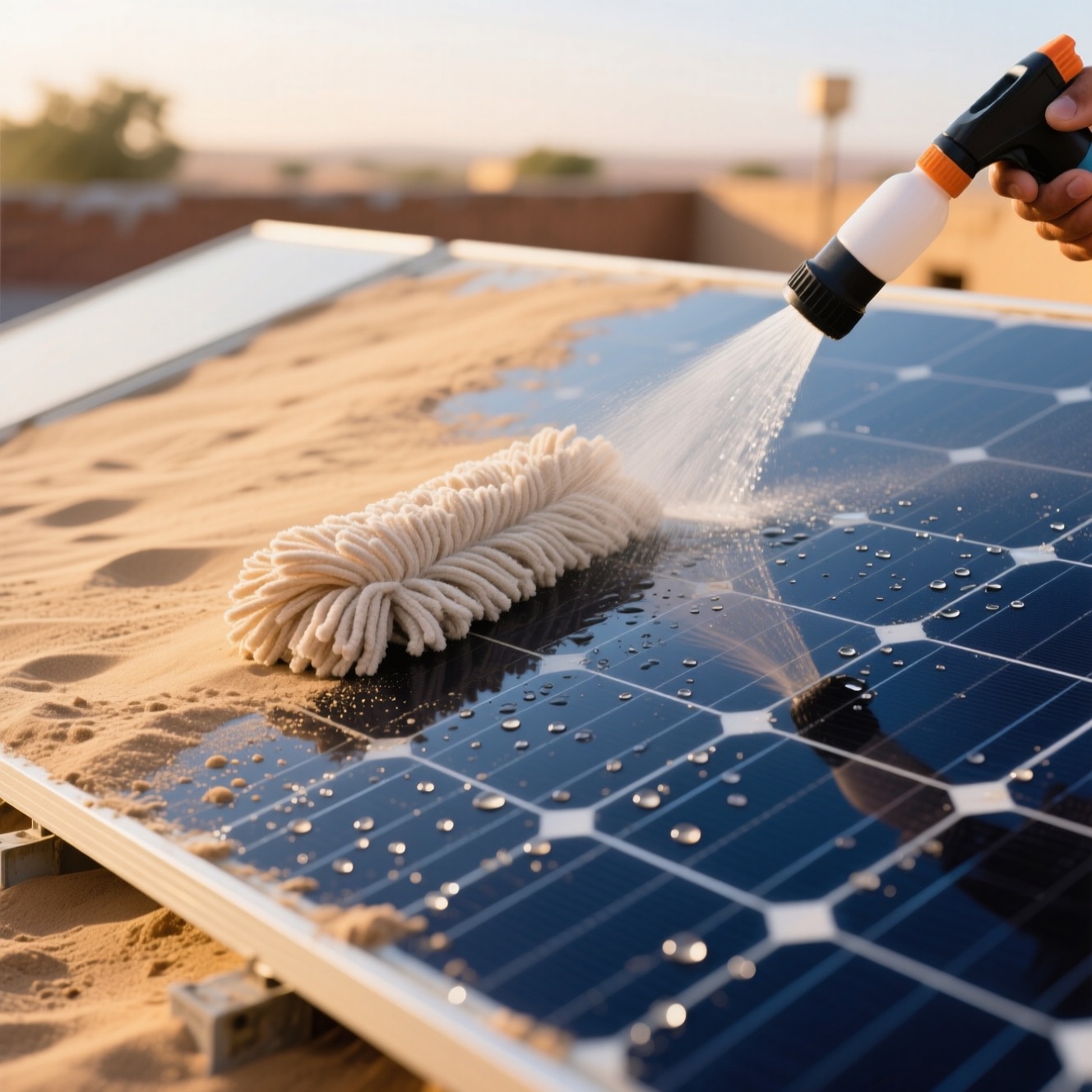 Up to 18% dust loss
Cleaning plans, output alerts and a yearly health check.
Pick your monthly bill. We size the system for a Jaipur roof, take off the PM Surya Ghar and Rajasthan subsidy, and show what you actually pay. No phone number needed.
Assumes 1,500 units per kW a year, JVVNL domestic tariffs and a 5-year loan at 5.75%. Your final price comes from a free site survey. How we calculate
We leave a walkway and a tap point, and tell you when generation dips.
Panels lose output as they heat. We raise the array so air moves under every module, and keep the inverter on a shaded wall.
Hot-dip galvanised, wind-rated structures, anchored without drilling through your waterproofing.
Hybrid inverters with batteries, allowed by JVVNL.
We only show real Jaipur homeowners, with their permission, once their systems are running. This slot is ready for a 16:9 video testimonial.

The engineer who surveys your roof designs your system, and the crew that installs it is ours. One team from first visit to subsidy credit.
Measures your roof, checks shade and electrical load, and signs off the design before installation. Add the real name and photo here before launch.
Straight answers on price, subsidy, power cuts and paperwork. Anything else, ask us on WhatsApp.
Read the subsidy guideA 3 kW home system costs roughly ₹1.9–2.2 lakh before subsidy. After the ₹78,000 PM Surya Ghar subsidy (and ₹17,000 Rajasthan subsidy if eligible) you pay about ₹1–1.3 lakh. Our calculator gives your exact number.
Homes get up to ₹78,000 from the central PM Surya Ghar scheme (₹30,000/kW for the first 2 kW, ₹18,000 for the 3rd kW). Rajasthan adds ₹17,000 under the 150-unit free electricity scheme for eligible JVVNL home connections with a pukka roof.
About 360–410 units a month on average: more in April–May, less in December–January. We use a cautious 1,500 units per kW per year in our estimates.
Usually just fixed charges. With net metering, extra units go to the grid and are adjusted against your bill. Surplus left at year-end is paid at ₹3.26 per unit.
A normal on-grid system switches off in a power cut for safety. A hybrid system with a battery keeps running. JVVNL has allowed hybrid inverters with net metering since February 2026.
Usually 4–8 weeks from booking to net meter and subsidy. Installation itself takes 1–3 days. We handle the PM Surya Ghar portal and the JVVNL paperwork.
Dust can cut output by 10–20% if panels aren’t cleaned. We design with heat-tolerant made-in-India panels, a raised wind-rated structure and an optional cleaning plan.
Yes. PM Surya Ghar collateral-free bank loans are about 5.75% a year. For most homes the EMI is lower than the current bill.